
-
×
 Remote Healing Mastery With Christof Melchizedek
1 × $46.00
Remote Healing Mastery With Christof Melchizedek
1 × $46.00 -
×
 Relationships Revival 3 With Relationships Mastered
1 × $179.00
Relationships Revival 3 With Relationships Mastered
1 × $179.00

Working Online with Suicidal Clients in the Age of COVID with John Sommers-Flanagan
$8.00
Working Online with Suicidal Clients in the Age of COVID with John Sommers-Flanagan – Immediate Download!
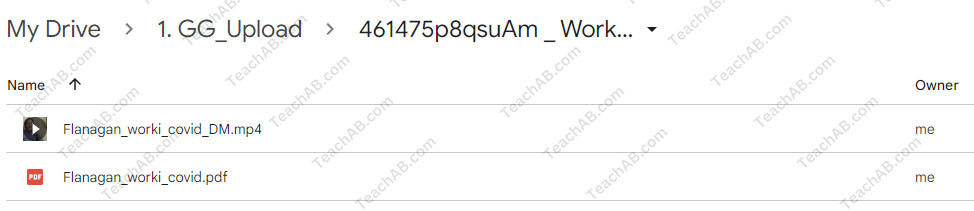
Content Proof:
The COVID-19 epidemic has made the startling fact of rising mental health rates in today’s turbulent environment even more apparent. Vulnerable groups, especially those who are struggling with suicide thoughts, need more sophisticated and efficient kinds of help than ever before as we move through a time when lives have been completely upended.
John Sommers-Flanagan’s insightful talk, “Working online with suicidal clients in the age of COVID,” provides practitioners with useful tactics and theoretical frameworks that are essential for functioning in this unstable mental health environment. This conversation highlights the difficulties associated with internet therapy while also shedding light on how it can be a ray of hope for individuals who are experiencing significant levels of distress, uncertainty, and loneliness.
COVID-19’s Effect on Mental Health
A number of mental health issues have been exacerbated by the worldwide pandemic, which makes therapists’ work even more important. The moving reminder that “the wounds of isolation run deep” encapsulates Sommers-Flanagan’s argument. Alarming numbers from research done during the pandemic show that the general population’s anxiety and depression levels have increased by more than 40%. This emotional upheaval is a reflection of a complicated network of changes in daily life, financial instability, and social isolation. Clients are feeling lost and long for connection in the middle of chaos due to the extreme level of uncertainty they have experienced.
The shift to internet therapy has presented numerous challenges, but it has also brought about some surprising advantages. Both therapists and clients have found it difficult to adjust to a digital platform that may occasionally appear impersonal and chilly as face-to-face connection gives way to virtual sessions. However, Sommers-Flanagan asserts that these technology developments can assist in overcoming geographical barriers and provide vital assistance to those in extreme need. His observations inspire mental health practitioners to reconsider long-held beliefs and develop fresh approaches that focus on establishing deep connections in challenging environments.
Modifying Therapeutic Methods in an Online Environment
Sommers-Flanagan highlights the necessity for doctors to reevaluate their treatment strategies in light of these difficulties. Building a strong therapeutic alliance is essential to successful online treatment. When there is no in-person contact throughout the discussion, developing rapport becomes even more crucial. Therapists must work hard to decipher the subtleties of communication that are still there in a virtual setting, where nonverbal clues are sometimes overlooked.
Key Strategies for Engagement and Assessment
To bolster engagement and assessment, Sommers-Flanagan recommends several strategies that can be effectively integrated into online therapy:
- Active Listening: Allowing clients to express thoughts and feelings without interruption and showing genuine empathy during sessions.
- Utilization of Technology: Making use of tools like visual aids, shared whiteboards, or therapeutic apps that can enrich the online experience.
- Strengths-Based Approach: Encouraging clients to reflect on their existing strengths and coping mechanisms, which may empower them to navigate their crises more effectively.
These methods do not merely create an effective therapeutic environment; they also facilitate the critical dialogue surrounding suicide. Sommers-Flanagan underscores the importance of these conversations, suggesting that clinicians must address suicidal thoughts openly, presenting alternatives and planning for safety collaboratively.
Creating an Environment of Safety
Creating a safe and supportive environment online requires consistency and a clear structure. This may include establishing clear guidelines for sessions, checking in about technological comfort levels, and fostering an atmosphere where clients feel comfortable sharing their vulnerabilities. The reality of online therapy is that it can also breed feelings of anonymity and detachment; therefore, establishing connections is crucial.
Importance of Therapeutic Alliance
The therapeutic alliance, often considered the backbone of effective therapy, does not diminish in importance when transferred to a virtual space. Sommers-Flanagan remarks that the bond created between therapist and client can still thrive, despite the physical barriers. In fact, the emotional engagement exemplified in strong therapeutic relationships can translate into elevated levels of trust and openness, allowing clients to share their most profound fears and uncertainties.
Building Trust in Online Therapy
The components that comprise a solid therapeutic alliance include:
- Authenticity and Transparency: Clients can sense when clinicians are genuine in their approach. Displaying vulnerability can sometimes enhance this bond.
- Consistency: Regular sessions and check-ins create a predictable framework that clients can rely on.
- Empathy: Expressing understanding and validating clients’ feelings can enhance their comfort level in sharing.
With trust established, the path for effective treatment becomes clearer. Sommers-Flanagan discusses how clients who feel secure in their relationship with their therapist are significantly more likely to engage in the tough discussions surrounding suicidality and explore actionable steps forward.
Making Use of Wellness Activities and Strengths
It is more important than ever to concentrate on resilience during unpredictable times. Sommers-Flanagan supports a strengths-based therapy approach that highlights the innate abilities that clients can utilize during trying times. This method accepts the pain in a way that promotes healing and growth rather than ignoring it. Therapists can carry out wellness exercises that connect with their clients and provide them with the means to successfully overcome their challenges by recognizing their strengths.
Including Activities for Wellbeing
Important wellness practices that can improve resilience could be:
- Mindfulness Practices: Methods to help control severe anxiety, like breathing exercises or meditation.
- Journaling: Helping clients write down their ideas and emotions can give them a helpful outlet and help them see things more clearly.
- Physical Activity: Easy workouts might enhance emotional control and general well-being.
Sommers-Flanagan demonstrates how these techniques, when incorporated into therapy sessions, support the idea that patients have the innate ability to overcome their difficulties. Therapists foster an environment where improvement is not only possible but expected by concentrating on what their clients can do rather than just their difficulties.
Addressing the Special Considerations in Teletherapy
The unique landscape of online therapy necessitates that mental health professionals remain acutely aware of special considerations while delivering care. The nuances of assessing risk for suicidal clients through a screen can prove to be a significant challenge. Yet, Sommers-Flanagan maps out several strategies for clinicians to adapt to these hurdles effectively.
Assessing Risk Online
Through careful attention to detail, therapists can utilize the following practices to evaluate suicidal risk levels for clients:
- Thorough Evaluation: Conducting comprehensive assessments, including suicidal history, support systems, and current coping mechanisms.
- Safety Planning: Collaboratively developing a robust safety plan that includes emergency contacts, coping strategies, and crisis services.
- Regular Follow-Ups: Ensuring that clients have frequent check-ins to monitor their emotional state and feelings of safety.
These practices are integral to ensuring that treatment remains effective and adaptive within the unique constraints of a virtual environment.
The Value of Cultural Proficiency
Another essential component of providing successful teletherapy is cultural competence. Professionals are reminded by Sommers-Flanagan that cultural factors may have a big impact on the therapeutic result. When creating treatment programs, it is essential to comprehend the client’s history, experiences, and cultural influences. Therapists can create an inclusive atmosphere that supports their clients’ identities and experiences by tactfully handling cultural elements.
Going Ahead and Coming to a Conclusion
In conclusion, John Sommers-Flanagan’s presentation on working online with suicidal clients in the COVID era offers valuable insights that highlight the challenges and obligations faced by mental health practitioners in these extraordinary times. Building solid therapeutic alliances, utilizing technology, and emphasizing resilience and strengths are all crucial components of success as we adjust to the changing landscape of therapy.
The pandemic’s persisting difficulties have highlighted how urgently strong mental health measures are needed. In addition to offering support, clinicians must act as champions for their patients, making sure they feel heard, respected, and prepared to face these uncharted waters.
In the end, there may be obstacles in the way, but if mental health practitioners use the information and techniques covered in Sommers-Flanagan’s work, they may lead the way in important change and have a good influence on the lives of people they care for during this trying time. The call to action is clear: even while working remotely, we can create pathways toward healing if we have understanding, teamwork, and dedication.
Frequently Asked Questions:
Business Model Innovation: We use a group buying approach that enables users to split expenses and get discounted access to well-liked courses. Despite worries regarding distribution strategies from content creators, this strategy helps people with low incomes.
Legal Aspects: There are many intricate questions around the legality of our actions. There are no explicit resale restrictions mentioned at the time of purchase, even though we do not have the course developers’ express consent to redistribute their content. This uncertainty gives us the chance to offer reasonably priced instructional materials.
Quality Control: We make certain that every course resource we buy is the exact same as what the authors themselves provide. It’s crucial to realize, nevertheless, that we are not authorized suppliers. Therefore, our products do not consist of:
– Live coaching calls or sessions with the course author.
– Access to exclusive author-controlled groups or portals.
– Membership in private forums.
– Direct email support from the author or their team.
We aim to reduce the cost barrier in education by offering these courses independently, without the premium services available through official channels. We appreciate your understanding of our unique approach.
Be the first to review “Working Online with Suicidal Clients in the Age of COVID with John Sommers-Flanagan”
You must be logged in to post a review.
Related products

$5.00

$69.00


$5.00

Psychology
$148.00

$5.00

$5.00

$62.00

$179.00
Reviews
There are no reviews yet.