
-
×
 Power Social Skills With Carlos Xuma
1 × $15.00
Power Social Skills With Carlos Xuma
1 × $15.00
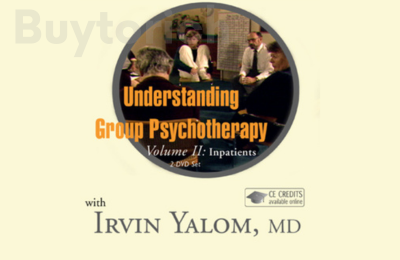
Understanding Group Psychotherapy-Volume II Inpatients with Irvin Yalom
$8.00
Understanding Group Psychotherapy-Volume II Inpatients with Irvin Yalom – Immediate Download!
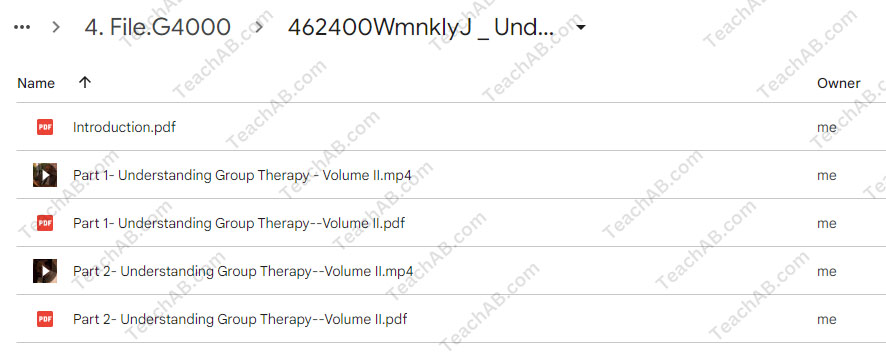
Content Proof:
Group psychotherapy, especially when it happens in an inpatient setting, gives us a unique look into how people connect and heal. “Understanding Group Psychotherapy: Volume II – Inpatients,” by Irvin D. Yalom, is a great book that goes into great detail about these issues and shows how a setting that is specifically designed for patients can lead to big improvements in therapy. This book, which includes simulations of group meetings with actors playing patients, shows how knowledgeable Yalom is about psychotherapy. With a story that brilliantly combines academic insights with real-life examples, this work not only aims to teach future psychotherapists, but also to motivate them to practice and understand.
How inpatient group therapy is put together
It takes a lot of work to understand the inpatient group setting, and Yalom does a great job of explaining why you need a structured and direct method that is made to fit the needs of inpatient care. Inpatient settings often need to quickly switch out patients, which forces therapists to get the most therapy progress in the shortest amount of time. In outpatient situations, patients can stay for a long time, but inpatient therapy requires healing to happen quickly.
This organized format includes a few important parts:
- Time-limited Sessions: Treatments usually last for days or weeks, and the groups are meant to help people grow as much as possible in that short amount of time.
- Defined Roles: Each person has a specific job to do, which is made easier by introducing everyone and guiding conversations. This clarity helps build an environment where people can trust and help each other.
- Dynamics between people: Yalom stresses how important it is to understand how relationships form within a group, since these relationships can reflect interactions in society as a whole.
The first part of therapy is very important for setting goals and getting people to talk freely. Making a safe place lets people talk about their worries and plans, which usually leads to good results. Yalom’s focus on “here-and-now” interactions is used here, where the focus moves to the feelings and dynamics that come up right now during the sessions.
Understanding Group Psychotherapy-Volume II Inpatients with Irvin Yalom
Therapeutic Techniques and Interventions
Yalom presents various therapeutic techniques that he employs to engage patients actively. Highlighting the experiences of members dealing with issues like severe depression and personality disorders sheds light on the multifaceted approach needed in psychiatric care. Here are some notable techniques discussed:
- Validation and Affirmation: These critical components create a foundation for trust. Yalom fervently believes that acknowledging individual experiences enhances participation and fosters connections.
- Feedback Mechanisms: Encouraging members to provide feedback to one another helps in reinforcing the social aspect of learning and healing, which is vital for recovery.
- Microcosm of Life: The group acts as a microcosm of broader society, illustrating how patients’ interpersonal struggles can be addressed in real-time. By navigating these issues in the group, participants often find means to cope with external relationships.
As therapy progresses, patients undergo transformative experiences learning from each other, collectively confronting vulnerabilities, and ultimately forging meaningful connections. This interconnectedness often transcends mere therapy; it can become a profound experience of camaraderie and empathy.
Group Dynamics: A Path to Healing
One of Yalom’s most significant contributions to the understanding of group therapy lies in examining the dynamics amongst members. Through his narrative, we witness how the forming, storming, norming, and performing stages of group dynamics play out. His observations elucidate some essential themes regarding therapeutic factors in group contexts:
- Interpersonal Learning: Members learn from each other, navigating similarities and differences in their experiences, which enhances their understanding of individual circumstances.
- Cohesiveness: A strong sense of belonging forms within the group, establishing safety and camaraderie that is crucial for emotional healing particularly important in inpatient settings where isolation is a common feeling.
- Empathy and Support: Within the group context, members create an emotional safety net, encouraging vulnerability and fostering open conversations about feelings and experiences.
The setting itself becomes a character, shaping interactions and influencing outcomes. The emotional landscape, often laden with fear, loneliness, and confusion, vibrates with the potential for transformation a dance between despair and hope, shadowed with the possibilities of resilience and recovery.
In conclusion: How Group Therapy Can Change Things
“Understanding Group Psychotherapy: Volume II – Inpatients,” by Yalom, is both a guide and a deep dive into the heart of group therapy. His ideas made the complicated process of inpatient care clear and showed how each person could heal within the group. The book talks about how therapeutic settings can have a big effect, turning just surviving into shared paths toward hope, understanding, and recovery.
Through this study, Yalom gives readers more than just theoretical knowledge; he sparks a desire for practice and compassion, which are at the heart of psychotherapy. The challenges shown in these sessions are very similar to those of many people, and they are a powerful example of how strong the human spirit can be when it is nurtured in a supportive community. Each page has useful information for both people who work in and are studying psychology, helping them learn more and do a better job in this important field.
Yalom uses the subtleties of group dynamics, therapeutic methods, and patient stories to show us that even in life’s hardest moments, the experiences of many can help us heal and become whole. When people share their weaknesses, empathy flows easily through the therapy room, weaving a healing web that lasts long after the sessions are over.
Understanding Group Psychotherapy-Volume II Inpatients with Irvin Yalom
Frequently Asked Questions:
Business Model Innovation: We use a group buying approach that enables users to split expenses and get discounted access to well-liked courses. Despite worries regarding distribution strategies from content creators, this strategy helps people with low incomes.
Legal Aspects: There are many intricate questions around the legality of our actions. There are no explicit resale restrictions mentioned at the time of purchase, even though we do not have the course developers’ express consent to redistribute their content. This uncertainty gives us the chance to offer reasonably priced instructional materials.
Quality Control: We make certain that every course resource we buy is the exact same as what the authors themselves provide. It’s crucial to realize, nevertheless, that we are not authorized suppliers. Therefore, our products do not consist of:
– Live coaching calls or sessions with the course author.
– Access to exclusive author-controlled groups or portals.
– Membership in private forums.
– Direct email support from the author or their team.
We aim to reduce the cost barrier in education by offering these courses independently, without the premium services available through official channels. We appreciate your understanding of our unique approach.
Be the first to review “Understanding Group Psychotherapy-Volume II Inpatients with Irvin Yalom”
You must be logged in to post a review.
Related products

$69.00

Psychology
$5.00

Psychology
$5.00


$23.00

Psychology
$46.00

$15.00

$62.00

$5.00

Psychology
$389.00
Reviews
There are no reviews yet.