

Tibet: History, Culture and Religion By Constance Kassor
$5.00
Tibet: History, Culture and Religion By Constance Kassor – Immediate Download!
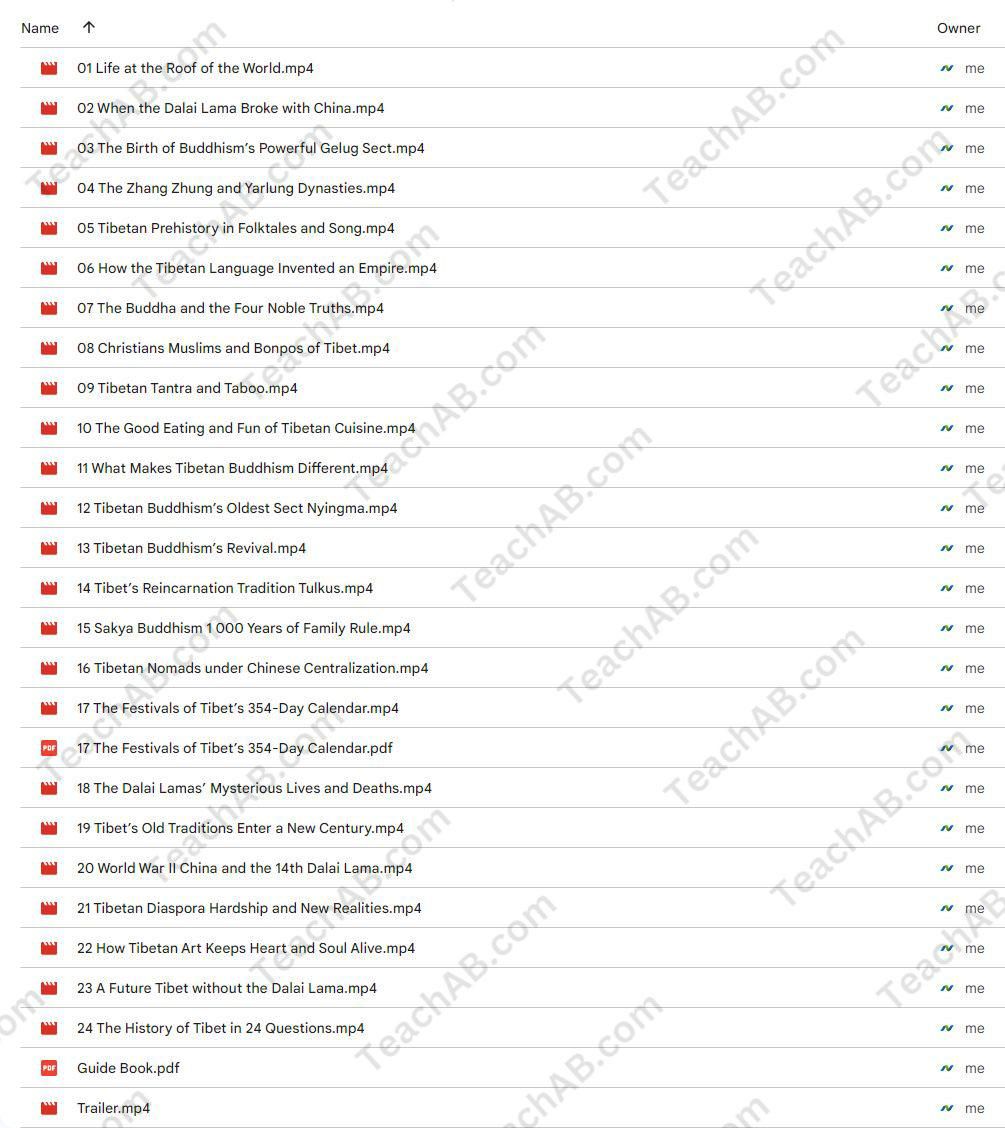
Content Proof:
Tibet: A Journey Through History, Culture, and Religion
Tibet, often hailed as “the roof of the world,” is a realm steeped in complexity and rich tapestry of history, culture, and religion. Nestled high on the Tibetan Plateau, this region not only boasts breathtaking landscapes but is also marked by a profound cultural essence shaped by its isolation and unique heritage over centuries. With a history that resonates deeply with both the past and present, the exploration of Tibet’s story unfolds the significant milestones of linguistic development, religious progression, and cultural identity. This article will delve into these aspects while shedding light on how scholars like Constance Kassor contribute to the understanding of Tibetan history and culture.
The Historical Landscape of Tibet
The history of Tibet is imbued with a sense of timelessness, characterized by its geographical isolation from the surrounding world until the mid-20th century. This isolation allowed the Yarlung Dynasty, established in the 7th century, to foster a unique cultural and political identity. Under this dynasty, significant developments and a united Tibet emerged, which was paramount for the subsequent spread of Buddhism across the region.
In terms of historical progression, the development of the Tibetan script in the 7th century can be viewed as a watershed moment. The advent of a written language enabled the preservation of religious teachings and cultural texts, making it possible for future generations to access the spiritual insights of their ancestors. Imagine a time when oral traditions were the sole vehicle for passing down knowledge; the Tibetan script arrived like a lifeline, ensuring that the rich traditions of Buddhist philosophy and teachings were immortalized.
In contemporary discussions, Tibet’s incorporation into China in 1950 remains a contentious point. This transition is seen not simply as a political maneuver but as a profound disruption of Tibetan identity, evoking strong emotional and cultural responses from Tibetans in diaspora. Many regard this as an invasion, while the Chinese government asserts its control as a rightful reclaiming of the region. These diverging perceptions highlight the complex layers of Tibet’s historical narrative and its impact on present-day identity.
Key Historical Milestones:
- Yarlung Dynasty: Unification of Tibet in the 7th century.
- Tibetan Script Development: Initiated significant preservation of religious texts.
- Incorporation into China: 1950 – a major turning point in its political history.
The Cultural Mosaic of Tibet
Tibetan culture, much like a grand tapestry, is woven from various threads including language, art, and traditional practices. The Tibetan language, a member of the Sino-Tibetan family, not only serves as a communication tool but also encapsulates the essence of Tibetan identity and philosophical thought. Throughout the centuries, its evolution mirrored the cultural shifts within Tibetan society, resulting in a rich diversity of dialects depending on the region.
Language plays a crucial role in the transmission of Tibetan culture and philosophy. Notably, Tibetan Buddhism has deeply influenced this cultural landscape. It promotes values such as compassion, mindfulness, and interconnectedness principles reflected in daily Tibetan life. This intertwining of language and cultural practices demonstrates how the Tibetan people maintain their uniqueness in the face of external challenges.
Art and music are also integral components of Tibetan culture, serving as expressions of spiritual beliefs and communal identity. Traditional Tibetan thangka painting and “chanting” of Buddhist mantras are not mere artistic endeavors; they are profound acts of devotion that connect the Tibetan people to their spiritual past. These practices are akin to bridges, linking the material world with the metaphysical, urging us to recognize the beauty of simplicity and devotion.
Cultural Elements:
- Language: Central to identity, with various dialects.
- Buddhism: Shapes values and daily practices.
- Art & Music: Expressions of spiritual beliefs, bridging material and spiritual realms.
The Religious Dimension of Tibetan Life
Religion in Tibet is not just a belief system; it is a way of life that permeates every aspect of Tibetan society. Tibetan Buddhism, in particular, is characterized by its unique practices and philosophical teachings that have evolved over centuries. The incorporation of indigenous beliefs, along with influences from early Indian Buddhism, has resulted in a distinct religious identity that continues to flourish today.
One cannot discuss Tibetan religion without mention of figures like the Dalai Lama, the spiritual leader whose influence extends far beyond the borders of Tibet. His teachings emphasize compassion and altruism, offering hope and guidance to countless followers. The fate of Tibetan Buddhism today, however, is closely tied to political tensions, especially concerning the presence of Chinese governance. The suppression of religious practices raises questions about the future of Tibetan Buddhism and the preservation of its sacred traditions.
Moreover, the religious texts and teachings, often written in the Tibetan script, reflect a deep philosophical depth. Works by scholars such as Constance Kassor play a critical role in analyzing and preserving these intricate layers of thought. Her contributions help to disseminate understanding of Tibetan Buddhist philosophy, inviting more people to engage with Tibet’s rich intellectual heritage.
Key Religious Aspects:
- Tibetan Buddhism: Central to lifestyle and beliefs.
- Dalai Lama: A significant spiritual figure and symbol of hope.
- Cultural Preservation: The importance of safeguarding religious texts and practices.
Conclusion
Tibet’s narrative is a profound journey through time, woven together by threads of history, culture, and religion. The unique characteristics of Tibetan language and its cultural expressions reveal a resilient identity that continues to thrive amidst challenges. Scholarly works, particularly those by Constance Kassor, illuminate the complexities of Tibetan Buddhism and its philosophical underpinnings, bridging the gap between academic inquiry and spiritual exploration. As we navigate the multifaceted landscape of Tibetan identity, we are inevitably drawn into a dialogue about cultural preservation, spiritual resilience, and the quest for understanding amidst a changing world.
In the exploration of Tibet’s history, culture, and religion, we see a microcosm of the broader human experience the perpetual search for meaning, connection, and identity amidst the ever-flowing currents of time. Tibetan heritage stands as a testament to the power of resilience and the beauty of interconnectedness, inviting all to partake in its profound wisdom and serenity.
Frequently Asked Questions:
Business Model Innovation: We use a group buying approach that enables users to split expenses and get discounted access to well-liked courses. Despite worries regarding distribution strategies from content creators, this strategy helps people with low incomes.
Legal Aspects: There are many intricate questions around the legality of our actions. There are no explicit resale restrictions mentioned at the time of purchase, even though we do not have the course developers’ express consent to redistribute their content. This uncertainty gives us the chance to offer reasonably priced instructional materials.
Quality Control: We make certain that every course resource we buy is the exact same as what the authors themselves provide. It’s crucial to realize, nevertheless, that we are not authorized suppliers. Therefore, our products do not consist of:
– Live coaching calls or sessions with the course author.
– Access to exclusive author-controlled groups or portals.
– Membership in private forums.
– Direct email support from the author or their team.
We aim to reduce the cost barrier in education by offering these courses independently, without the premium services available through official channels. We appreciate your understanding of our unique approach.
Be the first to review “Tibet: History, Culture and Religion By Constance Kassor”
You must be logged in to post a review.
Related products


Science

Reviews
There are no reviews yet.