
 Red Pill Psychology by Peter Wright and Paul Elam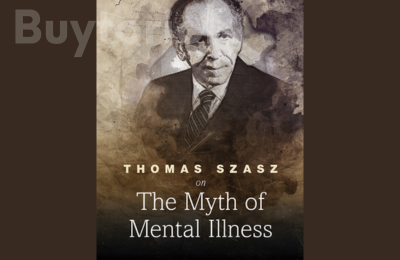
Thomas Szasz on The Myth of Mental Illness with Thomas Szasz
$8.00
Thomas Szasz on The Myth of Mental Illness with Thomas Szasz – Immediate Download!
Content Proof:

In his groundbreaking 1960 book “The Myth of Mental Illness,” Thomas Szasz makes a compelling case against the accepted wisdom regarding mental health. According to Szasz, mental illness is a social construct with underlying sociopolitical purposes rather than a valid medical diagnostic. By characterizing some acts as illnesses, society unintentionally deprives people of their independence and accountability. This article explores Szasz’s viewpoints, the ways in which his research has influenced contemporary psychiatry, and the current discussions around mental health, individuality, and social control.
The Divisive Character of Mental Illness
What society refers to as mental diseases are not real medical conditions, according to Szasz’s well-known assertion. Instead, they are human behavior manifestations that represent social or personal tensions. By labeling these actions as “disordered,” society runs the risk of enforcing a framework that pathologizes the normal human experience, resulting in stigmatization and a violation of personal liberties. According to Szasz, mental illness is a term used to describe actions that some people may find problematic or uncomfortable rather than a medical or pathological condition.
Thomas Szasz on The Myth of Mental Illness with Thomas Szasz
Consequences of Medicalization
One major issue raised by Szasz’s theories is the medicalization of nonconformity. By labeling some actions as “sick,” society allows for a kind of social control that is passed off as therapy. The power dynamics present in psychiatric practice are ethically called into question by this mechanism. Affected people frequently lose their agency as a result of being passive recipients of labels and therapies that are imposed. According to Szasz, this not only betrays a lack of personal accountability but also makes coercive tactics like forced hospitalization possible.
This contradiction results in a concerning reality where it is difficult to distinguish between control and therapy, highlighting the urgent need for reform in psychiatric procedures. Szasz criticizes this perspective by promoting a vision of mental health that respects individual autonomy and agency, even though such coercive techniques are frequently justified under the pretext of compassion and care. This change in viewpoint is essential because it fosters a context in which discussion and understanding take the place of coercive measures.
Perceptions of Mental Illness Over Time
As Szasz developed his ideas, he encountered fierce opposition from psychiatric professionals who accused him of being dismissive of genuine psychological suffering. Critics argue that his stance could downplay the complexities of mental health disorders and the genuine distress experienced by many individuals. However, this criticism only adds layers to the discourse surrounding mental health, highlighting the need for a balanced approach that acknowledges the myriad experiences of mental distress.
To illustrate Szasz’s impact and the ongoing debates, consider the following points of comparison between traditional psychiatry and Szasz’s critique:
| Aspect | Traditional Psychiatry | Szasz’s Perspective |
| Definition of Illness | Biological and pathological | Social construct; metaphorical |
| Treatment Approach | Medical intervention and medication | Understanding and support instead of treatment |
| Concept of Responsibility | Patients as passive recipients | Individuals as active agents |
| Role of Society | Enforces norms through treatment | Critiques societal control |
The Critical Role of Agency
One of Szasz’s most compelling arguments revolves around the importance of viewing individuals as active agents in their narratives. He posits that labeling someone as “mentally ill” diminishes their personal responsibility and ability to cope with life’s challenges. Instead, individuals should be supported in their struggles rather than subjected to medicalization that undermines their strengths and capacities.
The Ethical Dilemmas in Treatment
Szasz’s critiques shed light on significant ethical dilemmas in psychiatric interventions. For instance, many individuals who experience mental distress genuinely seek help and understanding, yet when classified as mentally ill, they often find themselves ensnared in a system that prioritizes compliance **********standing. This raises questions about consent and the ethicality of involuntary treatment situations where individuals are deprived of their rights under the guise of protecting their wellbeing.
The broader implications of this critique resonate within contemporary society. Discussions about mental health legislation, the rights of individuals in treatment, and the push for more humane approaches reflect the critical nature of Szasz’s work. As a society, we must consider how best to provide support while preserving individual autonomy.
Putting Traditional Methods to the Test
Szasz’s theories promote a cultural reassessment of our understanding of mental health concerns. They make us think about the philosophical and cultural aspects of mental anguish and question accepted psychiatric paradigms. Szasz supports a paradigm that acknowledges the complexity of mental health influenced by cultural narratives and societal expectations, in contrast to traditional psychiatry, which concentrates on symptoms with medical explanations.
The conversation that Szasz started is still important in addressing modern mental health concerns, especially the stigmatization of abnormal conduct. We can create more sympathetic and efficient support networks that respect the particular stories of people with mental illness by encouraging a more comprehensive understanding of human experiences.
In conclusion
“The Myth of Mental Illness” by Thomas Szasz is a seminal indictment of the psychiatric establishment and a plea for a better comprehension of human nature. His observations force us to reevaluate how we handle mental health, highlighting the need of recognizing personal agency and the perils of social control masquerading as medical treatment.
Szasz’s work remains relevant as we negotiate the complexity of mental health in the modern world, fostering continuous discussions about the morality of psychiatric labeling and the significance of upholding individual autonomy in our quest for knowledge and assistance. A more compassionate and inclusive society where each person’s experience is acknowledged and valued depends on this continuous conversation.
Frequently Asked Questions:
Business Model Innovation: We use a group buying approach that enables users to split expenses and get discounted access to well-liked courses. Despite worries regarding distribution strategies from content creators, this strategy helps people with low incomes.
Legal Aspects: There are many intricate questions around the legality of our actions. There are no explicit resale restrictions mentioned at the time of purchase, even though we do not have the course developers’ express consent to redistribute their content. This uncertainty gives us the chance to offer reasonably priced instructional materials.
Quality Control: We make certain that every course resource we buy is the exact same as what the authors themselves provide. It’s crucial to realize, nevertheless, that we are not authorized suppliers. Therefore, our products do not consist of:
– Live coaching calls or sessions with the course author.
– Access to exclusive author-controlled groups or portals.
– Membership in private forums.
– Direct email support from the author or their team.
We aim to reduce the cost barrier in education by offering these courses independently, without the premium services available through official channels. We appreciate your understanding of our unique approach.
Be the first to review “Thomas Szasz on The Myth of Mental Illness with Thomas Szasz”
You must be logged in to post a review.
Related products


Psychology


Psychology


Reviews
There are no reviews yet.