
 Atmospheric Composite FX Overlays Volume 2 by PRO EDU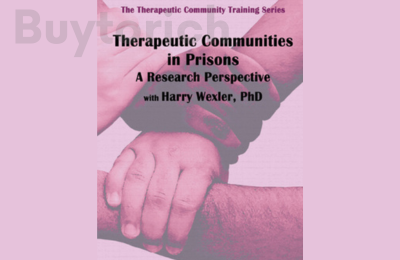
Therapeutic Communities in Prisons: A Research Perspective with Harry Wexler
$8.00
Therapeutic Communities in Prisons: A Research Perspective with Harry Wexler – Immediate Download!
Content Proof:

The idea of therapeutic communities (Tcs) has become a ray of hope in the field of rehabilitation, especially for people who are incarcerated and struggling with substance use problems. Dr. Harry Wexler explores the development and efficacy of Tcs in his enlightening video lecture, highlighting their capacity to change the prison experience into one of recovery and development.
It is impossible to overestimate the importance of this investigation since it provides practitioners and policymakers with important information about rehabilitation approaches that cater to the intricate needs of criminals. By combining historical chronologies, empirical information, and firsthand accounts, Wexler’s story enables us to recognize the diverse range of treatment modalities used in penal environments.
The Development of Therapeutic Communities Over Time
The notion of therapeutic communities within correctional facilities is the culmination of decades of scholarly research and hands-on education. In his engaging historical overview, Dr. Wexler traces the origins of Tcs to the 1950s, a decade that saw the emergence of rehabilitative concepts in correctional systems. Notably, traditional punitive strategies that ultimately failed to produce appreciable drops in recidivism rates were criticized during this era. Rather, the field of rehabilitation started to move toward more community-focused, holistic methods.
Tcs changed in each of the ensuing ten years in response to input from both prisoners and staff. The 1970s, for example, demonstrated the value of communal living and peer support as change-promoting strategies, enabling prisoners to find strength in their common experiences. Additionally, at this time, groundbreaking studies were conducted that highlighted the therapeutic benefits of supervised group activities and individual responsibility in the correctional setting.
Key Milestones in the Development of Therapeutic Communities:
- 1950s: The emergence of early rehabilitative theories advocating for community approaches.
- 1970s: Recognition of the therapeutic value of peer support systems within correctional facilities.
- 1980s: Implementation of evidence-based practices to reinforce the foundation of Tcs.
- 1990s to Present: A robust focus on integrated treatment modalities and the practical implications of aftercare services.
This journey through time illustrates not only the adaptability of Tcs but also the determination of those involved in the research and implementation of rehabilitation strategies in prisons. Dr. Wexler’s perspective highlights the intrinsic human desire for connection, which serves as the backbone of successful therapeutic interventions.
Efficacy of Therapeutic Communities in Correctional Settings
The effectiveness of therapeutic communities in serving as a rehabilitation model is a central theme in Dr. Wexler’s presentation. His research indicates that Tcs can achieve significant positive outcomes, especially for individuals grappling with substance abuse. By creating an environment conducive to personal growth, Tcs challenge the traditional paradigms that often inhibit rehabilitation in coercive prison environments.
Core Components of Effective Therapeutic Communities:
- Peer Support: Inmates learn from one another, offering insights and accountability.
- Manual-Based Treatment Strategies: Structured programs guide treatment and ensure progress.
- Incentives: A system of rewards encourages positive behavior and engagement with the community.
Wexler further emphasizes that treatment in isolation is seldom sufficient for sustainable change. Integrated treatment modalities, encompassing mental health support, substance abuse counseling, and vocational training, are crucial for fostering long-term behavioral changes. His findings resonate with the broader research community, reinforcing the idea that the multifaceted nature of rehabilitation cannot be overstated.
Obstacles Therapeutic Communities Face
Tcs are not without difficulties, even given the encouraging data. Particularly in maximum-security situations where the milieu might not be as favorable for therapeutic techniques, Dr. Wexler carefully addresses potential disadvantages. Due to ingrained opinions about prison culture or past trauma, some prisoners may be reluctant to participate. Additionally, systemic obstacles like inadequate finance or a shortage of qualified personnel may make it more difficult to adopt Tcs successfully.
However, it’s critical to understand that the difficulties encountered do not outweigh the benefits of Tcs. According to several studies cited by Dr. Wexler, there may be a decrease in aggression among prisoners who take part in therapeutic groups. For instance, a study that was published in the Journal of Correctional Health Care found that facilities that implemented community-based rehabilitation approaches saw a notable drop in aggressive and self-harming episodes.
Why Aftercare Services Are Important
The notion of aftercare services, which are an essential lifeline for reintegrating recently jailed individuals, is a unique feature of Dr. Wexler’s presentation. Without the right assistance after release, even the most successful therapeutic community experiences may fall apart. Wexler’s focus on aftercare is indicative of a comprehensive approach to rehabilitation that goes beyond the confines of the prison.
Components of Comprehensive Aftercare Programs:
- Continuous Counseling: Ongoing mental health and substance abuse support after release.
- Job Training and Placement: Programs that equip individuals with skills for long-term employment.
- Community Reintegration Efforts: Initiatives designed to help ex-inmates navigate societal challenges.
By focusing on developing these aftercare strategies, the likelihood of sustained rehabilitation increases dramatically. Wexler’s insights illuminate the crucial transition period where individuals can either succumb to old habits or thrive in a supportive environment equipped with the tools needed for success.
In conclusion
A powerful image of optimism and opportunity is presented in Dr. Harry Wexler’s analysis of therapeutic communities in prisons. He emphasizes the need of integrated treatment approaches that give overall care—rather than just rehabilitation—priority through thorough study. Although there are many obstacles in the way of successful rehabilitation in prisons, the success stories of people who have grown and changed as a result of therapeutic communities serve as a powerful example of how support and connection may promote change.
In conclusion, if we consider the data that Dr. Wexler presented, we must support and fund these community-based models, acknowledging that they are not only substitutes for conventional punitive systems but also vital pillars in the fight for social justice and reform. We get closer to a day when rehabilitation is not just a goal but also attainable for everyone if we adopt the ideas and approaches put forward in Wexler’s work.
Frequently Asked Questions:
Business Model Innovation: We use a group buying approach that enables users to split expenses and get discounted access to well-liked courses. Despite worries regarding distribution strategies from content creators, this strategy helps people with low incomes.
Legal Aspects: There are many intricate questions around the legality of our actions. There are no explicit resale restrictions mentioned at the time of purchase, even though we do not have the course developers’ express consent to redistribute their content. This uncertainty gives us the chance to offer reasonably priced instructional materials.
Quality Control: We make certain that every course resource we buy is the exact same as what the authors themselves provide. It’s crucial to realize, nevertheless, that we are not authorized suppliers. Therefore, our products do not consist of:
– Live coaching calls or sessions with the course author.
– Access to exclusive author-controlled groups or portals.
– Membership in private forums.
– Direct email support from the author or their team.
We aim to reduce the cost barrier in education by offering these courses independently, without the premium services available through official channels. We appreciate your understanding of our unique approach.
Be the first to review “Therapeutic Communities in Prisons: A Research Perspective with Harry Wexler”
You must be logged in to post a review.
Related products


Psychology

Psychology


Psychology


Reviews
There are no reviews yet.