
-
×
 Shopify Codex With Lea Gucciardi
1 × $15.00
Shopify Codex With Lea Gucciardi
1 × $15.00 -
×
 The Wavy Language of Vals With CLARISA ARAGON And JONATHAN SAAVEDRA
1 × $39.00
The Wavy Language of Vals With CLARISA ARAGON And JONATHAN SAAVEDRA
1 × $39.00 -
×
 Tip of the Spear by Matt Cook
1 × $5.00
Tip of the Spear by Matt Cook
1 × $5.00 -
×
 Pleasure Principles With Nadine Lee
1 × $69.00
Pleasure Principles With Nadine Lee
1 × $69.00 -
×
 Automate with Power Query Recipes to Solve Business Data Challenges With Leila Gharani
1 × $23.00
Automate with Power Query Recipes to Solve Business Data Challenges With Leila Gharani
1 × $23.00 -
×
 Produce a Fashion Show By Jay Calderin
1 × $5.00
Produce a Fashion Show By Jay Calderin
1 × $5.00 -
×
 The Ultimate UI Typography Masterclass With Andrija Prelec
1 × $69.00
The Ultimate UI Typography Masterclass With Andrija Prelec
1 × $69.00 -
×
 The Federal Code Government Contracting With Jason White
1 × $23.00
The Federal Code Government Contracting With Jason White
1 × $23.00 -
×
 Next Level Visibility The Masterclass With Becca Franci
1 × $15.00
Next Level Visibility The Masterclass With Becca Franci
1 × $15.00 -
×
 The Landscape Photography Bundle With John Weatherby
1 × $46.00
The Landscape Photography Bundle With John Weatherby
1 × $46.00 -
×
 Landscape Photography Masterclass by Serge Ramelli
1 × $8.00
Landscape Photography Masterclass by Serge Ramelli
1 × $8.00 -
×
 Juicy Relational Skills for Emergence 2023 (The Full 3-Part Online Series) With Sarah Peyton
1 × $295.00
Juicy Relational Skills for Emergence 2023 (The Full 3-Part Online Series) With Sarah Peyton
1 × $295.00 -
×
 Affiliate Marketing Course With Sara Finance
1 × $46.00
Affiliate Marketing Course With Sara Finance
1 × $46.00 -
×
 The Reels Academy 2022 With Anneke Odendaal
1 × $39.00
The Reels Academy 2022 With Anneke Odendaal
1 × $39.00 -
×
 Secret Agent Persuasion by George Hutton
1 × $5.00
Secret Agent Persuasion by George Hutton
1 × $5.00 -
×
 The October Man Sequence Collection by IN10SE and Swinggcat
1 × $5.00
The October Man Sequence Collection by IN10SE and Swinggcat
1 × $5.00 -
×
 Infinity Engine Content Creation Workshop With Kenneth Yu
1 × $23.00
Infinity Engine Content Creation Workshop With Kenneth Yu
1 × $23.00 -
×
 The AI Advantage With Ed Osburn
1 × $78.00
The AI Advantage With Ed Osburn
1 × $78.00 -
×
 Pricing and Packaging By Patrick Campbell
1 × $39.00
Pricing and Packaging By Patrick Campbell
1 × $39.00 -
×
 Human Design Business Cue Cards With Becca Francis
1 × $15.00
Human Design Business Cue Cards With Becca Francis
1 × $15.00 -
×
 OMT Lower Limb Bundle With OMT Training
1 × $23.00
OMT Lower Limb Bundle With OMT Training
1 × $23.00 -
×
 Particle Pack FX Overlays by PRO EDU
1 × $8.00
Particle Pack FX Overlays by PRO EDU
1 × $8.00 -
×
 YouTube Growth Engine With Adam Enfroy
1 × $62.00
YouTube Growth Engine With Adam Enfroy
1 × $62.00 -
×
 Soul Alchemist With Becca Francis
1 × $23.00
Soul Alchemist With Becca Francis
1 × $23.00 -
×
 3-Day Dialectical Behavior Therapy Certification Training by Lane Pederson
1 × $31.00
3-Day Dialectical Behavior Therapy Certification Training by Lane Pederson
1 × $31.00 -
×
 AI Interiors For Fine Art Photography and Mockups by Hugo Ceneviva
1 × $8.00
AI Interiors For Fine Art Photography and Mockups by Hugo Ceneviva
1 × $8.00 -
×
 Qigong For Emotional Balance Online 5 Course Bundle With White Tiger Qigong
1 × $109.00
Qigong For Emotional Balance Online 5 Course Bundle With White Tiger Qigong
1 × $109.00 -
×
 Mehow - No Strings Attached (NSA) System
1 × $5.00
Mehow - No Strings Attached (NSA) System
1 × $5.00 -
×
 Google Discover Playbook With Tony Hill
1 × $31.00
Google Discover Playbook With Tony Hill
1 × $31.00 -
×
 Email Marketing Certification Program With The Smart Blogger
1 × $23.00
Email Marketing Certification Program With The Smart Blogger
1 × $23.00 -
×
 The Integral Body Injury Proof Your Body With Mark Suski
1 × $39.00
The Integral Body Injury Proof Your Body With Mark Suski
1 × $39.00 -
×
 Danger and Play Essays on Embracing Masculinity by Mike Cernovich
1 × $5.00
Danger and Play Essays on Embracing Masculinity by Mike Cernovich
1 × $5.00 -
×
 Master Gorgeous UI Design Course by Pablo Stanley
1 × $5.00
Master Gorgeous UI Design Course by Pablo Stanley
1 × $5.00 -
×
 Breakouts By Feibel Trading
1 × $5.00
Breakouts By Feibel Trading
1 × $5.00 -
×
 Sell With Story Workshop With Donald Miller
1 × $8.00
Sell With Story Workshop With Donald Miller
1 × $8.00 -
×
 Using Internal Family Systems To Heal Trauma and Addictive Processes: Step-by-Step Compassionate Strategies To Heal Your Most Difficult Clients With Cece Sykes - PESI
1 × $39.00
Using Internal Family Systems To Heal Trauma and Addictive Processes: Step-by-Step Compassionate Strategies To Heal Your Most Difficult Clients With Cece Sykes - PESI
1 × $39.00 -
×
 Trading NQ At The US Open With TradeSmart
1 × $10.00
Trading NQ At The US Open With TradeSmart
1 × $10.00 -
×
 Manage Your Money for Maximum Profit By Mike Michalowicz
1 × $5.00
Manage Your Money for Maximum Profit By Mike Michalowicz
1 × $5.00 -
×
 The Practice Blueprint Masterclass With Laido Dittmar
1 × $31.00
The Practice Blueprint Masterclass With Laido Dittmar
1 × $31.00 -
×
 Action and Explosive Debris FX Photoshop Overlays by PRO EDU
1 × $8.00
Action and Explosive Debris FX Photoshop Overlays by PRO EDU
1 × $8.00 -
×
 B School 2023 Summer With Marie Forleo
1 × $23.00
B School 2023 Summer With Marie Forleo
1 × $23.00 -
×
 Black Friday All Courses Bundle With Zarak
1 × $23.00
Black Friday All Courses Bundle With Zarak
1 × $23.00 -
×
 The Runners Knee Program With Got Rom
1 × $23.00
The Runners Knee Program With Got Rom
1 × $23.00 -
×
 Adobe Photoshop Actions for Color - Spring Court Action by Kate Woodman
1 × $8.00
Adobe Photoshop Actions for Color - Spring Court Action by Kate Woodman
1 × $8.00 -
×
 Master Collection Composite Assets and Backgrounds by Clinton Lofthouse
1 × $8.00
Master Collection Composite Assets and Backgrounds by Clinton Lofthouse
1 × $8.00 -
×
 Selling Backlinks – 2.0 by Charles Floate
1 × $5.00
Selling Backlinks – 2.0 by Charles Floate
1 × $5.00 -
×
 After the Plague By Simon Doubleday
1 × $5.00
After the Plague By Simon Doubleday
1 × $5.00 -
×
 eCom Fast Track Bundle With Justin Phillips
1 × $15.00
eCom Fast Track Bundle With Justin Phillips
1 × $15.00 -
×
 Expansion Codes Bundle With Unlock Your Design Academy
1 × $54.00
Expansion Codes Bundle With Unlock Your Design Academy
1 × $54.00 -
×
 Creating Your Hearts Desire 2023 With Sonia Choquette
1 × $23.00
Creating Your Hearts Desire 2023 With Sonia Choquette
1 × $23.00 -
×
 Human Design Coaching Cue Cards With Becca Francis
1 × $15.00
Human Design Coaching Cue Cards With Becca Francis
1 × $15.00 -
×
 John Smith and Renzo Gracie Seminar by John Smith
1 × $6.00
John Smith and Renzo Gracie Seminar by John Smith
1 × $6.00 -
×
 Alpha Leader by Robert Dilts
1 × $5.00
Alpha Leader by Robert Dilts
1 × $5.00 -
×
 The Art Of Shaping Continuous Light by Jason Buff
1 × $8.00
The Art Of Shaping Continuous Light by Jason Buff
1 × $8.00 -
×
 Blockchain Mastery University by Dapp University
1 × $5.00
Blockchain Mastery University by Dapp University
1 × $5.00 -
×
 Visualized Anatomy The Complete Collection With Raphael Bender And Heath Lander
1 × $39.00
Visualized Anatomy The Complete Collection With Raphael Bender And Heath Lander
1 × $39.00 -
×
 How to Grow Your Instagram With Mahdi Woodard
1 × $15.00
How to Grow Your Instagram With Mahdi Woodard
1 × $15.00 -
×
 Ecommerce data and metrics By Maximilian Rast
1 × $39.00
Ecommerce data and metrics By Maximilian Rast
1 × $39.00 -
×
 Monster Email Marketing for eCommerce Brands With Adam Kitchen
1 × $27.00
Monster Email Marketing for eCommerce Brands With Adam Kitchen
1 × $27.00 -
×
 Learn Swag Training Course With Ashley Rybar
1 × $31.00
Learn Swag Training Course With Ashley Rybar
1 × $31.00 -
×
 Build A Harem Bundle With Fort Worth Playboy
1 × $23.00
Build A Harem Bundle With Fort Worth Playboy
1 × $23.00 -
×
 How to Get Over Anyone in Few Days: Breakups Will Never Hurt Like Before (Volume 1)
1 × $5.00
How to Get Over Anyone in Few Days: Breakups Will Never Hurt Like Before (Volume 1)
1 × $5.00 -
×
 Daygame Instructor Tapes - LifeLoaded
1 × $5.00
Daygame Instructor Tapes - LifeLoaded
1 × $5.00 -
×
 Ex2 System (Ex Squared) by Matt Huston
1 × $5.00
Ex2 System (Ex Squared) by Matt Huston
1 × $5.00 -
×
 The Life and Works of Jane Austen By Devoney Looser
1 × $5.00
The Life and Works of Jane Austen By Devoney Looser
1 × $5.00 -
×
 RICH BITCH BOOTCAMP by Sarah Perl - Hot High Priestessb
1 × $109.00
RICH BITCH BOOTCAMP by Sarah Perl - Hot High Priestessb
1 × $109.00 -
×
 Early Humans: Ice, Stone and Survival By Suzanne Pilaar Birch
1 × $5.00
Early Humans: Ice, Stone and Survival By Suzanne Pilaar Birch
1 × $5.00 -
×
 Secrets of the Occult By Richard Spence
1 × $5.00
Secrets of the Occult By Richard Spence
1 × $5.00 -
×
 New Hacker With Everyday Spy
1 × $69.00
New Hacker With Everyday Spy
1 × $69.00 -
×
 Surreal Portraiture: Styling and Retouching by Kelly Robitaille
1 × $8.00
Surreal Portraiture: Styling and Retouching by Kelly Robitaille
1 × $8.00 -
×
 8 Keys of Abundance With Elisa Canali
1 × $46.00
8 Keys of Abundance With Elisa Canali
1 × $46.00 -
×
 Exploring the Cosmic Mind Through Psychedelics With Chris Bache
1 × $15.00
Exploring the Cosmic Mind Through Psychedelics With Chris Bache
1 × $15.00 -
×
 Scale With Success Accelerator With Caitlin Bacher
1 × $23.00
Scale With Success Accelerator With Caitlin Bacher
1 × $23.00 -
×
 Dreaming Yourself Awake by Paul Levy
1 × $46.00
Dreaming Yourself Awake by Paul Levy
1 × $46.00 -
×
 Sensual Seduction: Expressing Your Erotic Femininity By Chen Lizra
1 × $5.00
Sensual Seduction: Expressing Your Erotic Femininity By Chen Lizra
1 × $5.00 -
×
 Fort Worth Playboy Evergreen VIP Bundle
1 × $69.00
Fort Worth Playboy Evergreen VIP Bundle
1 × $69.00 -
×
 Unreal Series Authentic Relationships for Men and Women With Talmadge Harper Harper Healing
1 × $15.00
Unreal Series Authentic Relationships for Men and Women With Talmadge Harper Harper Healing
1 × $15.00 -
×
 Escape Room Creator
1 × $5.00
Escape Room Creator
1 × $5.00 -
×
 AI For Traders With Trading Markets
1 × $39.00
AI For Traders With Trading Markets
1 × $39.00 -
×
 Low Content Book Creation Course With Jessica Larrew
1 × $8.00
Low Content Book Creation Course With Jessica Larrew
1 × $8.00 -
×
 The Connection Course With Joe Hudson
1 × $31.00
The Connection Course With Joe Hudson
1 × $31.00 -
×
 Conversational Blueprints: Captain Jack’s Definitive Guide to Get a Beautiful Girlfriend by Captain Jack
1 × $5.00
Conversational Blueprints: Captain Jack’s Definitive Guide to Get a Beautiful Girlfriend by Captain Jack
1 × $5.00 -
×
 Experiencing Shakespeare: From Page to Stage By Alissa Branch
1 × $5.00
Experiencing Shakespeare: From Page to Stage By Alissa Branch
1 × $5.00 -
×
 The IG Bootcamp With Katy Amezcua
1 × $23.00
The IG Bootcamp With Katy Amezcua
1 × $23.00 -
×
 8D Lip Design eLearning Fillers Course With Tim Pearce
1 × $241.00
8D Lip Design eLearning Fillers Course With Tim Pearce
1 × $241.00
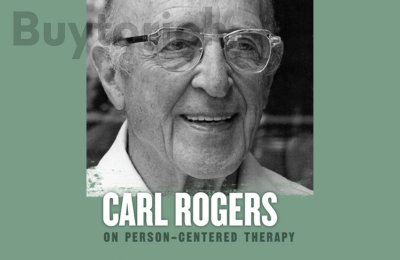
Carl Rogers on Person-Centered Therapy With Carl Rogers, Natalie Rogers
$8.00
Carl Rogers on Person-Centered Therapy With Carl Rogers, Natalie Rogers – Immediate Download!
Content Proof:

A Thorough Analysis of Carl Rogers and Person-Centered Therapy with an Emphasis on Natalie Rogers
Overview
One of the most important psychologists, Carl Rogers, transformed the field of therapy by creating person-centered treatment, which was first known as client-centered therapy. This ground-breaking method first appeared in the 1940s, revolutionizing not only psychotherapy but also expanding its application to organizational development and education. The foundation of Rogers’ approach is the idea that people are born with the capacity to understand their experiences and make constructive life adjustments.
Rogers fostered a nurturing environment with congruence, empathy, and unconditional positive regard through his compassionate framework. According to him, these circumstances create a secure space where clients can explore their thoughts and feelings in depth without being constrained by fear or judgment. The contributions of Rogers’ daughter Natalie Rogers, who expanded his ideas into expressive arts therapy, must also be taken into account while examining his legacy. When combined, they represent the core ideas of humanistic psychology and open doors to significant personal development.
The Foundations of Person-Centered Therapy
Core Principles and Core Conditions
At the heart of person-centered therapy lies a commitment to three core conditions that form the bedrock of Rogers’ therapeutic approach. These are unconditional positive regard, empathy, and congruence. Each of these components holds profound significance and operates synergistically to cultivate a nurturing therapeutic environment:
- Unconditional Positive Regard: This aspect involves accepting and valuing the client without judgment. Rogers believed that when clients are met with consistent warmth and acceptance, they feel safe to explore their innermost thoughts, paving the way for self-discovery.
- Empathy: The therapist’s ability to deeply understand and resonate with the client’s feelings and experiences fosters a sense of connection. By actively listening and engaging with empathy, therapists can help clients navigate through their challenges, amplifying their self-awareness.
- Congruence: This refers to the therapist’s authenticity in the therapeutic relationship. In being genuine, therapists provide a role model for clients, encouraging them to express their true selves. Congruence supports an atmosphere of trust and honesty, which is critical for meaningful dialogue.
These core conditions create a transformative space where clients can articulate their struggles, leading to greater self-acceptance and empowerment. Through expression, individuals often find clarity and insight, ultimately moving towards personal growth and self-actualization.
Therapy’s Non-Directive Character
The non-directive nature of Rogers’ paradigm is among its most notable features. Person-centered therapy empowers clients by letting them take charge of the therapeutic process, in contrast to traditional therapies where the therapist frequently sets the path of treatment. Clients are positioned as active participants in their recovery process as a result of this change in dynamics, which strengthens their independence and promotes accountability.
For example, a client might bring up a topic they want to talk about during a normal session. The therapist serves as a kind mentor who promotes the exploration of emotions and ideas rather than offering answers or directing the discussion in a specific way. Clients who experience this empowerment frequently come to the profound understanding that they are capable and wise enough to manage their own lives.
Empirical studies regularly demonstrate that this non-directive approach fosters deeper insights and improves client engagement, ultimately leading to significant change. When compared to more directive approaches, person-centered therapy significantly improved clients’ self-esteem and emotional regulation, according to a 2007 meta-analysis published in the Journal of Counseling Psychology, highlighting the efficacy of Rogers’ techniques.
The Influence of Natalie Rogers
Continuing the Legacy of Humanistic Psychology
While Carl Rogers laid the groundwork for person-centered therapy, Natalie Rogers extended and enriched this legacy through her work in expressive arts therapy. Drawing from her father’s principles, Natalie emphasized the importance of creative expression in facilitating healing and self-discovery.
- Expressive Arts Therapy: Natalie’s approach integrates various forms of artistic expression such as drawing, painting, music, and dance into the therapeutic process. By allowing clients to express their emotions visually or through movement, she aimed to tap into aspects of the human experience that words alone often cannot convey.
- Empowerment Through Creativity: Natalie’s work centered on the idea that everyone possesses an innate creativity that can be harnessed as a means of self-exploration. As she articulated in her book, “The Creative Connection,” creative expression serves as a bridge to deeper understanding, allowing individuals to communicate complex feelings and thoughts.
- Workshops and Training: Beyond individual therapy, Natalie was instrumental in creating training programs for therapists to incorporate expressive arts into their practices. Her workshops not only taught techniques but also fostered a community of practitioners dedicated to enhancing emotional healing through creativity.
Natalie Rogers’ pioneering work has expanded the reach of person-centered therapy, demonstrating how its principles can be applied in multifaceted, innovative ways. By combining the depth of humanistic psychology with artistic processes, she provided clients with new avenues for self-exploration and connection.
Filling the Gaps in Conventional Treatment
A crucial contrast to the frequently verbal-centric structure of traditional psychotherapy is the integration of expressive arts therapy. Natalie Rogers acknowledged that many people may find it difficult to express their experiences in words alone, especially those who have been traumatized or marginalized.
- Engagement of Multiple Sensations: Clients are urged to use numerous senses by integrating different modalities into therapy, which can awaken otherwise dormant emotions. Clients are able to face and process their emotions in a more comprehensive way because to this multisensory technique, which frequently results in deeper healing and insight experiences.
- Expressive Forms as Change-Catalyzing Agents: Participating in artistic endeavors serves as a stimulant for more profound introspection for several clients. When they create, they could uncover layers of experience and emotion that were previously hidden beneath the surface, giving them extraordinary insight into their difficulties.
Natalie’s contributions underscore the significance of incorporating creativity into psychological techniques, stressing that self-awareness is not exclusively derived via linguistic exploration. This innovative extension of Rogers’ ideas marks a significant advancement in psychotherapy.
Person-Centered Therapy: Research and Effectiveness
Proof of Effectiveness
Person-centered therapy’s effectiveness in treating a wide range of psychological problems and varied client populations is still being confirmed by continuing research. This treatment technique has been shown in numerous studies to be especially beneficial in treating illnesses including PTSD, anxiety, and depression.
- Various Customer Groups: Person-centered therapy has demonstrated beneficial results in a number of populations, including children, adolescents, and the elderly, per a 2013 study published in the American Journal of Psychotherapy. Its adaptability highlights its primary value of distinctive individual experiences and makes it available to a wide range of people.
- Long-Term Benefits: According to a number of longitudinal studies, patients who get person-centered therapy not only show immediate symptom relief but also show long-lasting improvements. Clients who underwent person-centered treatment had a much higher likelihood of reporting higher levels of life satisfaction long after the therapy ended, according to a 2019 meta-analysis.
- Adjustment to Contemporary Situations: Because of its versatility, Rogers’ method is still applicable in modern psychology practice. Person-centered therapy keeps developing while adhering to its fundamental ideas as a result of continuous research into how it integrates with technology, such as online counseling platforms.
Applications Beyond Psychotherapy
Rogers’ insights extend beyond individual therapy sessions, influencing various fields such as education, organizational development, and community work. These applications are rooted in principles of empathy, respect for individual experiences, and collaborative relationships.
- Education: The emphasis on creating safe, supportive learning environments has influenced educators. By fostering respect and understanding in classrooms, teachers can enhance students’ learning experiences and encourage emotional growth.
- Organizational Development: Rogers’ principles have found a place within businesses seeking to cultivate healthy work environments. By prioritizing employee well-being, organizations have reported increased satisfaction and productivity.
- Community Initiatives: Community programs that adopt person-centered approaches have successfully bridged gaps in mental health care, providing accessible support to marginalized populations and promoting a culture of understanding and empathy.
These applications demonstrate that the essence of person-centered therapy transcends traditional therapy, fostering well-being in diverse spheres of life.
Conclusion
In conclusion, Carl Rogers’ contributions to person-centered therapy have established it as a crucial method in counseling and psychotherapy, emphasizing the transformative power of the therapeutic relationship and the client’s potential for self-directed growth. The principles of unconditional positive regard, empathy, and congruence cultivate an environment that empowers clients to explore their authentic selves.
Moreover, the legacy continued by Natalie Rogers, with her focus on expressive arts therapy, enhances the canvas of human experience, allowing individuals to communicate complex emotions through creativity. The ongoing validation of person-centered therapy’s efficacy across various contexts reaffirms its importance in contemporary psychology. As practitioners embrace these foundational concepts, they create spaces that foster authenticity, emotional healing, and personal advancement. Through the lens of both Carl and Natalie Rogers, we are reminded of the profound impact that understanding and compassion can have in our therapeutic journeys.
Frequently Asked Questions:
Business Model Innovation: We use a group buying approach that enables users to split expenses and get discounted access to well-liked courses. Despite worries regarding distribution strategies from content creators, this strategy helps people with low incomes.
Legal Aspects: There are many intricate questions around the legality of our actions. There are no explicit resale restrictions mentioned at the time of purchase, even though we do not have the course developers’ express consent to redistribute their content. This uncertainty gives us the chance to offer reasonably priced instructional materials.
Quality Control: We make certain that every course resource we buy is the exact same as what the authors themselves provide. It’s crucial to realize, nevertheless, that we are not authorized suppliers. Therefore, our products do not consist of:
– Live coaching calls or sessions with the course author.
– Access to exclusive author-controlled groups or portals.
– Membership in private forums.
– Direct email support from the author or their team.
We aim to reduce the cost barrier in education by offering these courses independently, without the premium services available through official channels. We appreciate your understanding of our unique approach.
Be the first to review “Carl Rogers on Person-Centered Therapy With Carl Rogers, Natalie Rogers”
You must be logged in to post a review.
Related products

$5.00


Psychology
$233.00
$15.00
$5.00

$179.00

$8.00

Psychology
$46.00

Reviews
There are no reviews yet.