
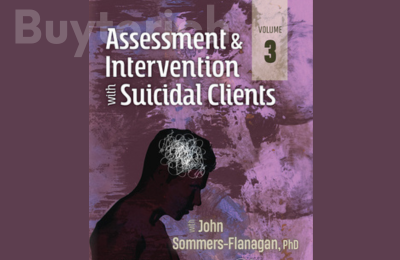
Assessment and Intervention with Suicidal Clients Volume 3 With John Sommers-Flanagan
$8.00
Review assessment and intervention with suicidal clients: Volume 3 – Immediate Download!
Content Proof:

Few subjects in the field of mental health are as complex and sensitive as diagnosing and treating suicidal clients. One important teaching tool created by John Sommers-Flanagan and his associates is “Assessment and Intervention with Suicidal Clients: Volume 3.” This installment, which addresses the diverse beliefs and worldviews that clients bring to the counseling room, is noteworthy for both its cultural sensitivity and instructional quality.
Being able to traverse these waters with empathy, skill, and understanding becomes crucial for practitioners who are on the front lines of the fight against suicide ideation. The importance of culturally sensitive procedures and the moral obligations that come with this line of work are highlighted in this piece, which delves deeply into the themes, methods, and emotional overtones that characterize this series.
Knowing How Important Cultural Sensitivity Is
A key component of providing mental health services effectively is cultural sensitivity. The material in Volume 3 demonstrates how cultural differences can have a substantial impact on suicide ideation and intervention tactics by fusing theory and practice. Professionals in mental health must understand that a one-size-fits-all strategy is insufficient. Every person’s experiences are shaped by their culture, and being aware of these cultural quirks can make the difference between a successful and unsuccessful counseling session.
The series offers assessments that honor cultural settings by using real-world examples. For example, think about how clients’ willingness to participate in therapy may be influenced by culturally particular views on mental health. As demonstrated by the educators in this series, recognizing a client’s cultural story strengthens the therapeutic bond while also validating their experiences. The therapeutic experience is shaped and molded by this trust-based alliance, which emphasizes the importance of sensitivity and respect for the client’s own identity. It can be compared to an artist making a sculpture.
Key Techniques in Assessment
The series outlines several key techniques for assessing suicidal clients, which include:
- Building Rapport: Establishing a trusting relationship is foundational. Practitioners are encouraged to approach clients with genuine empathy, fostering a safe environment for open dialogue.
- Cultural Assessment: Understanding the client’s background is essential. This involves exploring how cultural beliefs impact their views on suicide and mental health.
- Risk Assessment: Utilizing structured tools and interviews to evaluate the level of risk. This includes understanding specific triggers that may affect the client’s mental state.
- Ongoing Evaluation: Conducting regular assessments throughout the treatment process to adapt interventions as needed based on the client’s evolving situation.
These methods serve as a roadmap for practitioners, guiding them toward understanding the complex tapestry of human emotions and experiences that accompany suicidal thoughts and behaviors. They highlight the necessity of adaptability, akin to a seasoned sailor navigating the unpredictable seas, adeptly adjusting their sails to the winds of change.
The Foundation of Successful Intervention: Therapeutic Partnerships
The development of therapeutic partnerships is a major issue that runs throughout Volume 3. Having the appropriate tools is not enough for practitioners; they also need to use them with empathy. Like a bridge, the relationship between the client and the therapist must be sturdy enough to bear the weight of grief and hopelessness while offering a secure route to recovery.
The instructors stress that successful interventions necessitate a thorough comprehension of the client’s emotional environment and go beyond simple crisis management techniques. Viewers see how therapists handle delicate conversations with real-time interventions. They establish a conversation that honors each person’s journey by putting the client’s story front and center. This technique pushes professionals to go beyond their preconceptions and encourages them to listen intently—a skill that may seem straightforward in theory but is extremely challenging to practice.
Additionally, the significance of professional self-care is handled seriously. Burnout can result from the emotional toll of working with suicidal clients, which can compromise the effectiveness of therapies. In order to maintain their ability to provide their clients with complete support, educators encourage professionals to develop their emotional resilience and practice self-care.
Ethical Dimensions of Working with Suicidal Clients
Ethics in mental health cannot be sidelined, especially when dealing with suicidal clients. This volume sheds light on the ethical obligations to both clients and oneself. Practitioners must navigate complex terrains, often balancing the delicate line between client autonomy and the need for intervention.
The series emphasizes the concept of client agency the idea that individuals have the right to make choices about their own lives, even if those choices include the desire to end that life. Navigating this landscape requires not only skill but also an unwavering commitment to ethical principles. Practitioners are encouraged to explore:
- Informed Consent: Ensuring clients understand their treatment options and the risks involved.
- Confidentiality: Respecting client privacy while managing the duty to protect.
- Crisis Planning: Collaborating with clients to establish a plan that reflects their values and needs, promoting safety without infringing on their autonomy.
By framing ethical considerations within real-life scenarios, Volume 3 demonstrates that conscientious practice is rooted not merely in guidelines but in ongoing dialogues about moral responsibilities. This approach invites practitioners to reflect deeply on their values and the impact of their decisions on their clients’ lives.
In conclusion
“Assessment and intervention with suicidal clients: Volume 3” by John Sommers-Flanagan establishes a high bar for mental health education. This publication is an essential resource for practitioners dealing with the challenges of working with suicidal clients because of its comprehensive weave of cultural sensitivity, useful assessment methods, and ethical issues.
The knowledge presented in this course enables professionals to become compassionate leaders in the tumultuous waters of mental health emergencies, in addition to being proficient practitioners. The skills and knowledge they acquire here as they traverse these frequently perilous roads will continue to have an impact on the lives they touch and the stories they help rewrite long after the last credits have rolled.
Assessment and Intervention with Suicidal Clients Volume 3 With John Sommers-Flanagan
Frequently Asked Questions:
Business Model Innovation: We use a group buying approach that enables users to split expenses and get discounted access to well-liked courses. Despite worries regarding distribution strategies from content creators, this strategy helps people with low incomes.
Legal Aspects: There are many intricate questions around the legality of our actions. There are no explicit resale restrictions mentioned at the time of purchase, even though we do not have the course developers’ express consent to redistribute their content. This uncertainty gives us the chance to offer reasonably priced instructional materials.
Quality Control: We make certain that every course resource we buy is the exact same as what the authors themselves provide. It’s crucial to realize, nevertheless, that we are not authorized suppliers. Therefore, our products do not consist of:
– Live coaching calls or sessions with the course author.
– Access to exclusive author-controlled groups or portals.
– Membership in private forums.
– Direct email support from the author or their team.
We aim to reduce the cost barrier in education by offering these courses independently, without the premium services available through official channels. We appreciate your understanding of our unique approach.
Be the first to review “Assessment and Intervention with Suicidal Clients Volume 3 With John Sommers-Flanagan”
You must be logged in to post a review.
Related products


Psychology


Psychology


Psychology
Reviews
There are no reviews yet.